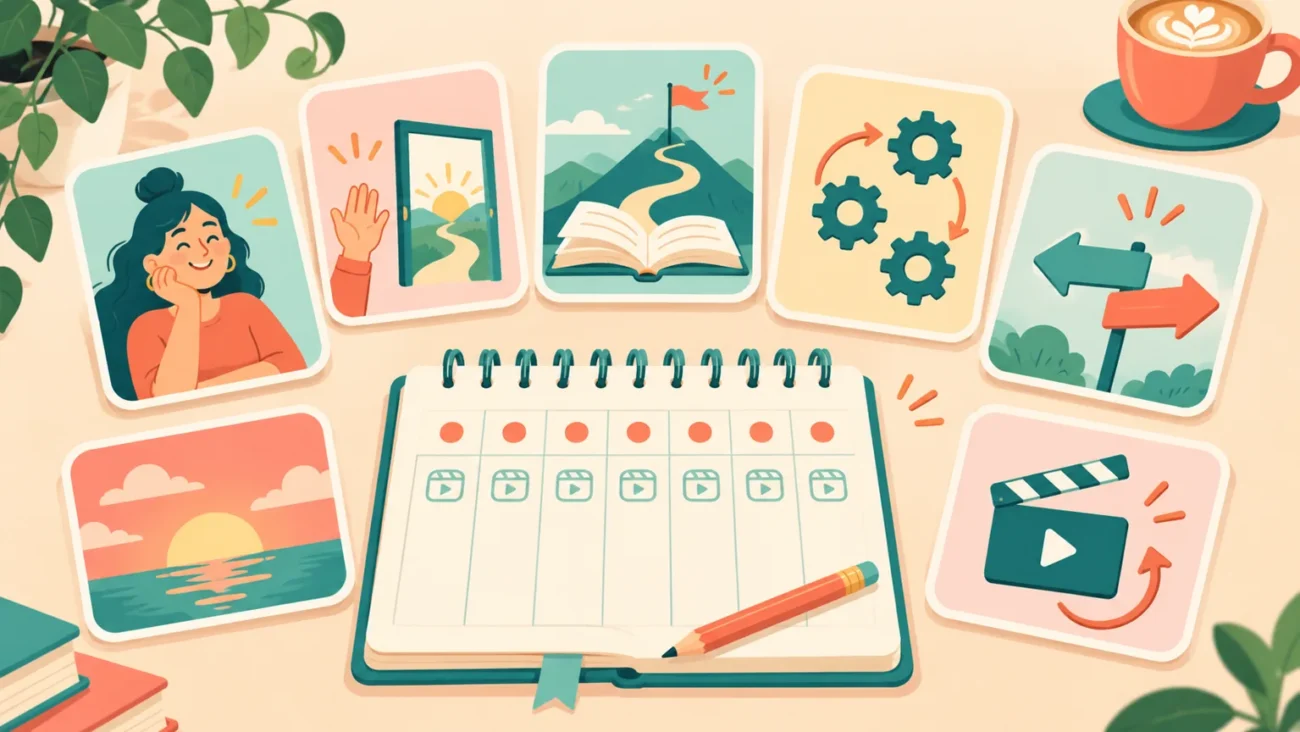










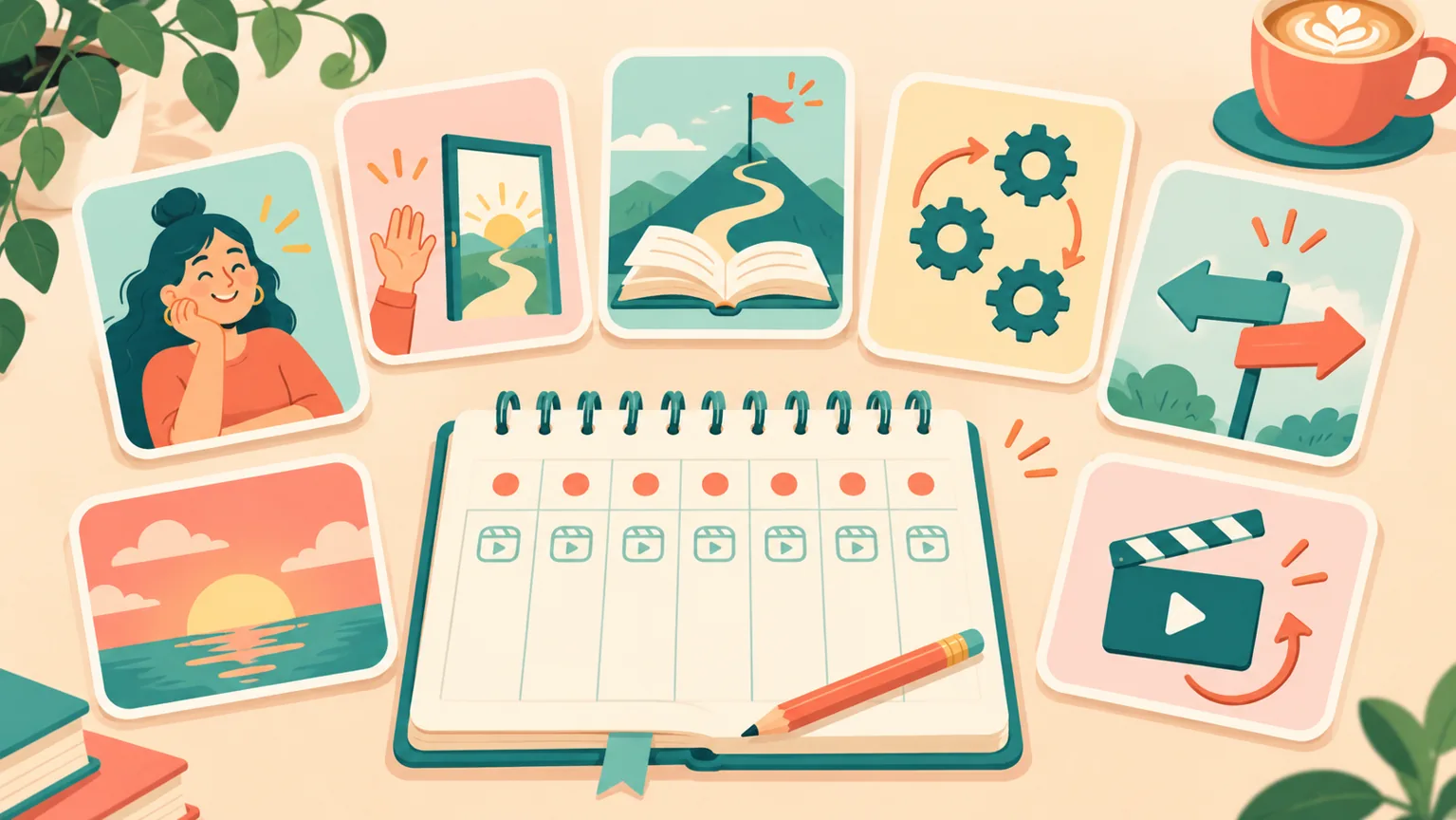
A 7-day reels content plan gives each post a different job. Instead of choosing seven similar clips and adding captions at the last minute, start with one audience, one theme and seven distinct story ideas.
This 7-day reels content plan is a planning exercise, not a requirement to publish daily. If you can make three thoughtful posts a week, spread the ideas across a longer period. The aim is a schedule you can sustain and a reason for viewers to watch each piece.
Table of Contents
Choose a theme and a clear audience promise
Keep the theme narrow enough to recognise. “Food” is broad. “Playful animated food stories with a small surprise” gives you a clearer creative direction. Your audience promise describes what someone can expect when they see another post from you.
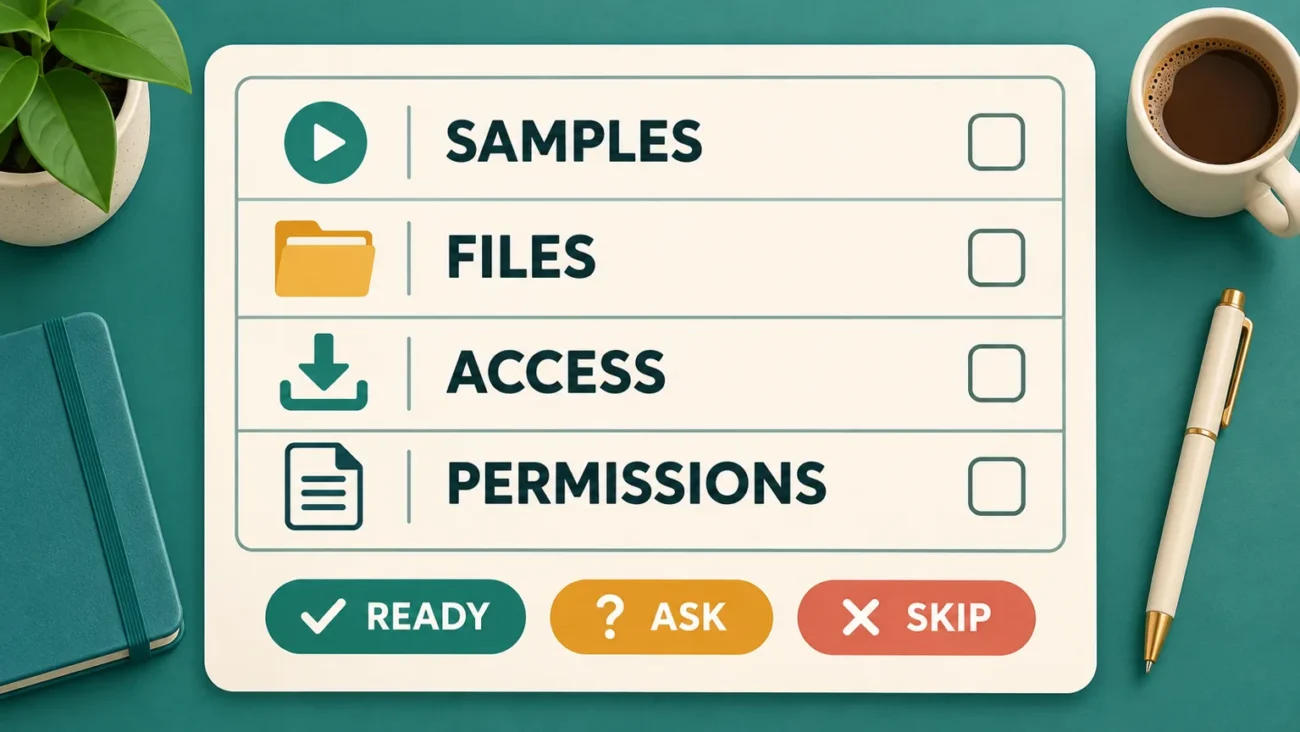
Choose source material around your audience and preferred style. Explore WorkLinc’s reels collections for a range of themes, AI reels collections for AI-created visual ideas, or Bhakti digital assets for devotional projects. Start with the category that fits your plan, then review the samples, contents and permissions of the options you like. The ideas below are planning examples, not a requirement to buy any particular product.
Write down one aim for the week, such as testing which type of story people respond to. Avoid trying to make every post introduce the theme, sell a product, explain the process and ask a question at the same time.
Build your 7-day reels content plan around seven different jobs
Use these slots as prompts. For each one, write the opening idea, what happens in the middle and the payoff before choosing your footage. You can film your own material or use suitable assets where the relevant permissions allow it.
Day 1: Introduce the world
Make the theme easy to understand. An original food-character story could begin with an everyday kitchen moment that takes an unexpected turn. The opening might ask, “What would breakfast do before you woke up?” Give the viewer a satisfying small answer within the post.
Planning note: Choose one setting and one main action. Save extra ideas for later posts.
Day 2: Focus on one character or detail
Shift attention to a single personality, object or visual detail. A nervous tomato facing a chopping board is a different story from a kitchen full of dancing vegetables. Build the idea around what that character wants and what gets in the way.
Planning note: Write one sentence that makes this post different from Day 1 before you edit it.
Day 3: Tell a problem-and-solution story
Give the post a clear sequence: a small problem, an attempt and a result. For example, an original scene could follow a tiny chef trying to reach a high shelf. The payoff should resolve the setup rather than ending with an unrelated clip.
Planning note: Check that the visuals actually support the story. Do not use a caption to promise an event the video never delivers.
Day 4: Show your creative process
Share something you genuinely made or decided: a storyboard sketch, a voiceover choice, your own recording setup or a comparison of two edits. Explain one choice that changed the result.
Planning note: Be accurate about your contribution. Selecting or editing a supplied clip does not mean you created its original animation.
Day 5: Invite a relevant choice
Give viewers a choice that belongs to the theme, such as which original character should lead the next story or which ending feels funnier. Provide enough context for either answer to make sense.
Planning note: Use a real creative decision. Avoid repetitive “comment yes” prompts or promising a follow-up you do not intend to make.
Day 6: Explore a different mood
Keep the theme but change the emotional direction. A week of energetic comedy might include one gentle, slower story about a character helping another. Changing mood can make the plan less repetitive without moving to an unrelated niche.
Planning note: Review the pacing, visuals and sound together. They should support the intended mood.
Day 7: Make a thoughtful follow-up
Use a genuine comment, an unresolved story idea or something you learned while creating the earlier posts. If there is not enough audience feedback yet, continue a story you can develop meaningfully. You do not need to invent requests from viewers.
Planning note: Record what you want to try next. Treat one week’s results as an observation, not proof of a universal formula.

Keep a short brief for every post
Keep your 7-day reels content plan in a notebook or a simple document. Use the same fields for each idea:
- Purpose: What should this post help a viewer understand or feel?
- Opening: What is the first clear idea or question?
- Story: What changes between the beginning and the end?
- Your contribution: What are you creating, explaining or adding?
- Material: Which source files or original recordings are needed?
- Review: Are the usage, audio and platform checks complete?
- Schedule: When can you realistically finish and review it?
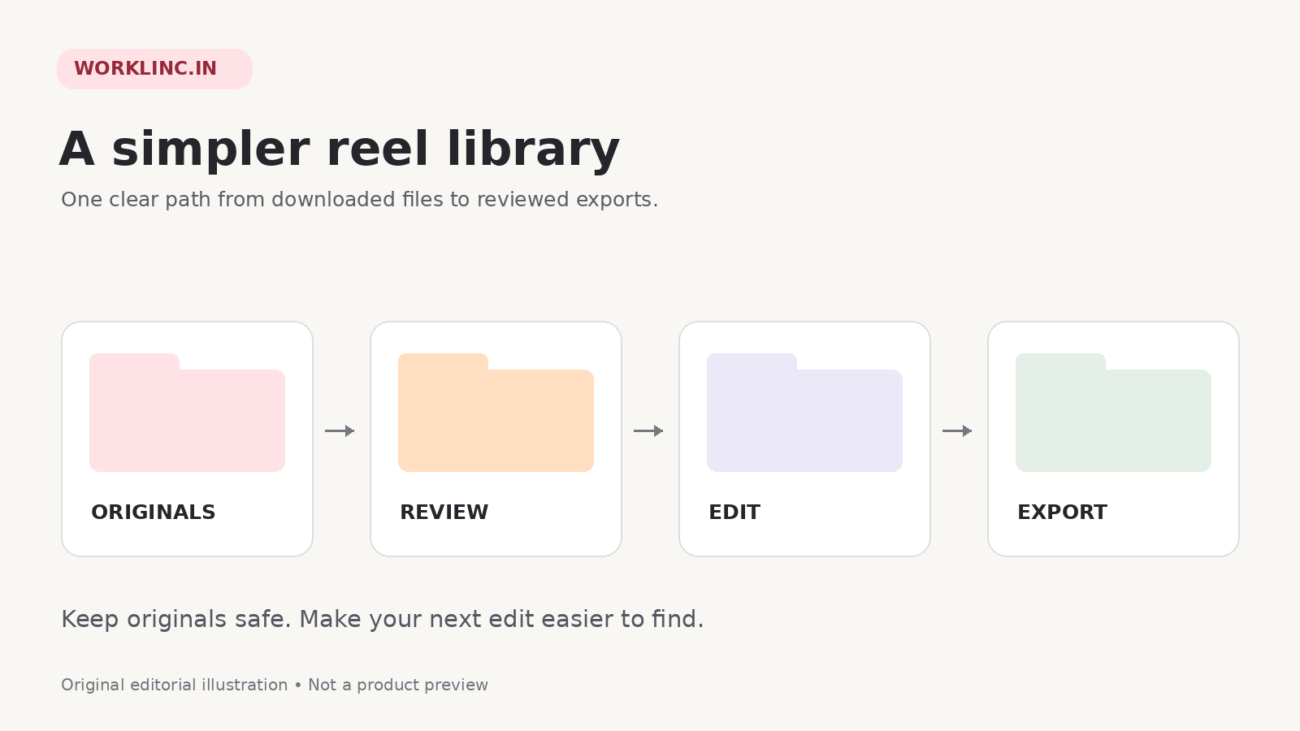
If two briefs have the same opening, action and payoff, revise one before production. A different filename or caption alone does not create a different story. For the file-management side, follow the guide to organising downloaded reels.
Review originality, permissions and the finished post
Use purchased assets within their applicable terms, and check the rules of the platform where you will post. A content calendar does not establish rights clearance or monetisation eligibility. Meta’s guidance on original Facebook content explains that minor changes to reused content may still be treated as unoriginal. Plan a meaningful creative contribution rather than relying on small cosmetic changes.
Watch each finished post all the way through, including the audio and final frame. Check that the caption describes the actual story and that text is readable in the platform preview. Leave time to fix a weak ending or a confusing sequence before the scheduled date.
Use the week to improve your next plan
After publishing, note the questions people ask and the performance information your platform makes available. Compare similar posts carefully, since differences in audience, timing and distribution can affect results. Keep the ideas that fit your audience and improve one clear weakness in the next batch.
Start with a theme you can develop, not a promise to post endlessly. If you are choosing source material, explore WorkLinc’s reels collections and review each product’s samples, contents and terms first.